
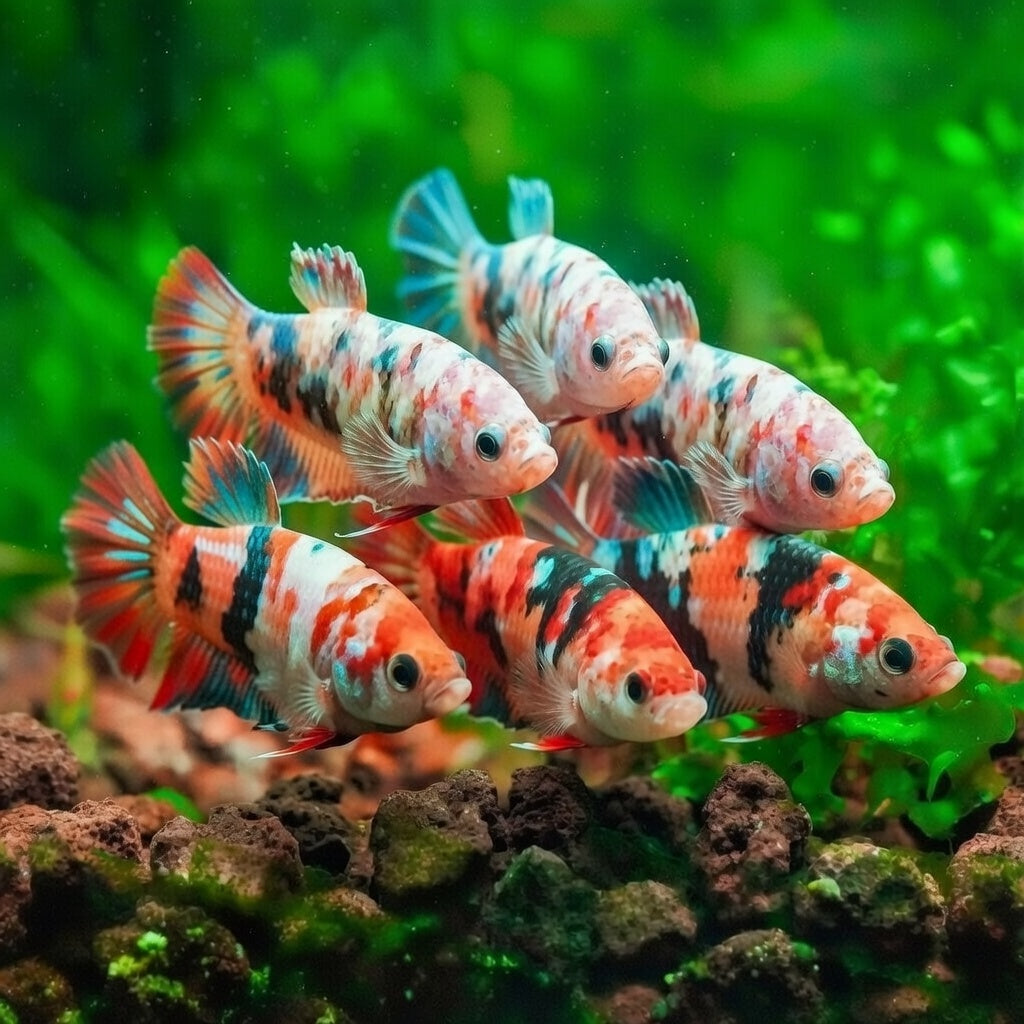
Female Betta Sorority Guide: Can Female Bettas Live Together Successfully?
Creating a female betta sorority is one of the most searched—and misunderstood—projects in the freshwater aquarium hobby. Many aquarists ask: can female bettas live together? When done correctly, a betta sorority tank highlights a side of bettas many people never get to see: social interaction, hierarchy, and surprisingly peaceful coexistence. When done correctly, it highlights a side of bettas many people never get to see: social interaction, hierarchy, and surprisingly peaceful coexistence. When done poorly, it can lead to stress, injuries, and heartbreak.
This guide is written from hands-on experience, not theory alone. Our goal is to explain why sororities work, when they don’t, and how to stack the odds in your favor.
1. Female Betta Fish Behavior (Can Female Bettas Live Together?)
1.1 More Than Just Fighting Fish
Bettas (Betta splendens) originate from slow-moving, plant-choked waters in Southeast Asia. In the wild, visibility is low, territories are loosely defined, and constant physical contact is rare. Aggression exists—but it’s usually brief, ritualized, and avoidable.
Selective breeding intensified aggression in males, which is why they must be kept alone. Females, however, retained more flexible social behaviors.
1.2 Are Female Bettas Actually Social?
Female bettas are not “community fish” in the traditional sense—but they are capable of group living under the right conditions. In groups, they form a loose hierarchy. Minor chasing and flaring are normal; sustained violence is not.
A sorority works when stress is low, space is adequate, and no single fish can dominate the entire tank.
2. What Is a Female Betta Sorority Tank?
A betta sorority is a group of female bettas housed together in a carefully designed aquarium that prioritizes space, cover, and environmental stability.
This setup is not beginner-level—but it is achievable for attentive aquarists who are willing to observe, adjust, and intervene when necessary.
Why Keep a Sorority?
-
Displays natural hierarchy and interaction
-
Creates a visually dynamic aquarium
-
Allows you to enjoy multiple bettas in one system
-
Highlights behavior rarely seen in solo setups
3. Female Betta Sorority Setup: What You Need Before You Start
3.1 Tank Size Is Non‑Negotiable
A minimum of 20 gallons is required, and bigger is always better. Smaller tanks concentrate aggression and leave no escape routes.
Recommended guidelines:
-
20 gallons: 5–6 females (minimum)
-
30–40 gallons: 7–10 females
Long tanks are preferred over tall tanks due to horizontal territory spacing.
3.2 Choosing the Right Females
Not all female bettas are suitable for sororities. Look for:
-
Similar size and age
-
No history of extreme aggression
-
Healthy fins and strong swimming behavior
Avoid mixing vastly different sizes or adding a dominant adult to a group of juveniles.
3.3 Why Fish Raised Together Matter
Females that were raised together already understand each other’s body language and hierarchy. This dramatically reduces escalation when introduced into a new tank.
Mixing unrelated adults increases risk and requires much closer monitoring.
4. Blackwater Betta Sorority Tanks: Why They Reduce Aggression
4.1 What Is Blackwater?
Blackwater aquariums mimic natural betta habitats using tannins released from botanicals like driftwood and Indian almond leaves. The water takes on a tea‑colored tint.
This is not just aesthetic—it directly impacts behavior and health.
4.2 Why Blackwater Works
-
Reduces visibility → less constant confrontation
-
Lowers stress hormones
-
Provides mild antibacterial and antifungal benefits
-
Encourages natural behavior
In sororities, reduced stress often equals reduced aggression.
4.3 How to Create Blackwater Conditions
-
Add Indian almond leaves
-
Use natural driftwood
-
Optional: peat‑based filtration media
Maintain stable parameters and avoid chasing perfectly clear water.
5. Best Tank Setup for a Female Betta Sorority
A sorority tank should feel busy.
Key elements:
-
Heavy live planting (or silk plants if needed)
-
Multiple caves and hides
-
Broken lines of sight
-
Floating plants to dim lighting
If you can see across the entire tank easily, it needs more cover.
6. Female Betta Sorority Care: Feeding, Aggression & Water Quality
6.1 Feeding Without Fueling Aggression
Feed small portions 1–2 times daily using:
-
High‑quality betta pellets
-
Frozen or live foods (bloodworms, brine shrimp, daphnia)
Spread food across the tank to prevent one fish from guarding it.
6.2 Reading Aggression Correctly
Normal behaviors:
-
Short chases
-
Occasional flaring
-
Positioning displays
Warning signs:
-
Torn fins
-
One fish constantly hiding
-
Corner pinning or relentless pursuit
Be ready to remove a fish if necessary.
6.3 Water Quality Is Everything
Poor water quality amplifies aggression and illness.
Best practices:
-
Weekly 20–30% water changes
-
Test ammonia, nitrite, nitrate weekly
-
Stable temperature (78–80°F)
7. Female Betta Sorority Problems and How to Fix Them
Aggression Spikes
Try:
-
Rearranging décor
-
Increasing plant density
-
Temporarily removing the aggressor
Illness Prevention
-
Quarantine new fish and décor
-
Avoid overcrowding
-
Address stress before treating disease
Most sorority failures trace back to stress—not disease.
8. Female Betta Sorority FAQ (Most Googled Questions)
How many females should I keep?
Always 5 or more. Smaller groups focus aggression on a single fish.
Can I add tank mates?
Yes—snails, shrimp, and peaceful schooling fish work best.
Can males be included?
No. Males introduce breeding stress and extreme aggression.
How often should I test water?
Weekly, minimum.
9. Final Advice for Long‑Term Female Betta Sorority Success
A female betta sorority is not about forcing peace—it’s about designing an environment where peace is the easiest option.
When space, structure, water quality, and fish selection align, sororities are not only possible—they’re stunning.
If you’re willing to observe closely and adapt when needed, a betta sorority can become one of the most rewarding freshwater setups you’ll ever keep.
— GarageAquatics
Share: