Cycling a tank is the most important step before adding fish, and it is the step most beginners skip. A cycled tank has the bacteria needed to turn toxic fish waste into safer compounds. Without it, ammonia builds up fast and fish get sick or die.
What Is the Nitrogen Cycle?
Fish make waste. Waste, uneaten food, and rotting plants release ammonia, which is toxic. Helpful bacteria grow in your filter and convert it in two steps:
- Ammonia is converted into nitrite, which is also toxic.
- Nitrite is converted into nitrate, which is much safer and removed with water changes.
A tank is "cycled" when it can turn ammonia and nitrite into nitrate on its own.
What You Need
- A tank, filter, heater, and dechlorinator
- A liquid test kit (strips are less accurate)
- An ammonia source (pure ammonia or fish food)
- Optional: bottled beneficial bacteria to speed things up
How to Cycle a Tank Without Fish (Fishless Cycle)
This is the safest method for the fish.
- Set up the tank. Fill it, add dechlorinator, and run the filter and heater.
- Add an ammonia source. Dose to about 2 ppm ammonia.
- Test every day or two. You will see ammonia drop, then nitrite rise, then nitrate appear.
- Keep feeding the cycle. Re-dose ammonia whenever it drops to 0.
- Finish the cycle. The tank is ready when it processes 2 ppm of ammonia to 0 within 24 hours and nitrite also reads 0.
- Do a big water change to lower nitrate, then add fish.
Expect this to take 4 to 6 weeks. Bottled bacteria and warm water can shorten it.
Cycling With Fish (Fish-In Cycle)
If fish are already in the tank, you can still cycle, but it takes more work.
- Test ammonia and nitrite daily.
- Do a water change whenever either reaches 0.25 ppm or higher.
- Feed lightly.
- Add bottled bacteria to help.
Cycling Tips
- Never clean your filter media with tap water. Chlorine kills the bacteria. Rinse it in old tank water.
- Do not replace all your filter media at once.
- Keep the tank warm. Bacteria grow faster in warm water.
- Do not add too many fish at once. Add a few at a time so the bacteria keep up.
Cycle Problems and Fixes
- Cycle seems stuck: Check for chlorine or chloramine in your water. Use a dechlorinator that handles both.
- Cloudy water: A bacterial bloom is normal and clears on its own.
- pH crashing: A heavily loaded cycle can lower pH. Water changes help.
Frequently Asked Questions
How do I know my tank is cycled?
Ammonia and nitrite both read 0 ppm, and you have measurable nitrate.
Can I add fish right away with bottled bacteria?
Bottled bacteria can help, but test your water and add fish slowly.
Do I need to cycle a quarantine tank?
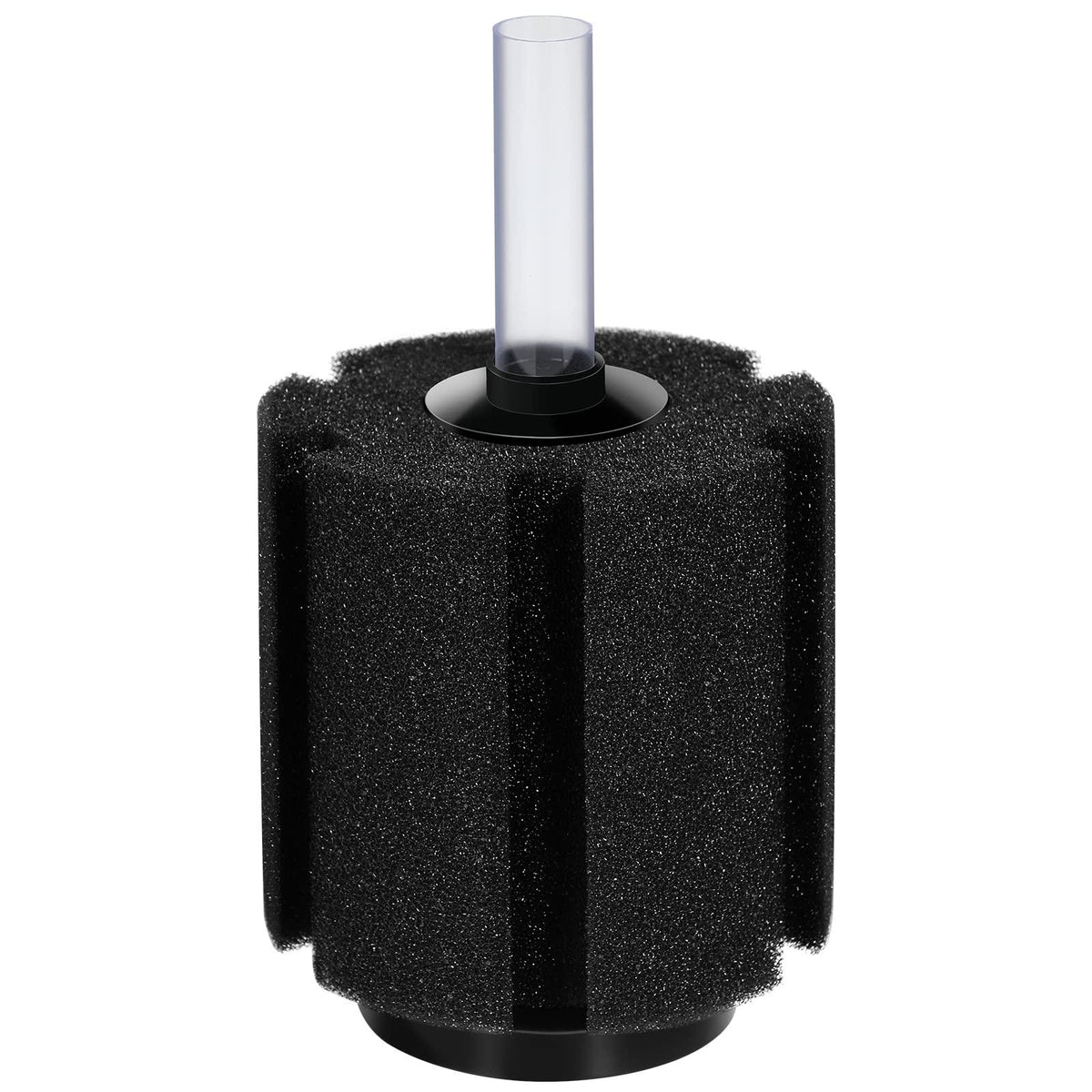
Yes. Use a sponge filter taken from your established tank to seed it.
Does a goldfish tank need cycling?
Yes. Goldfish create a lot of waste, so a fully cycled tank matters even more.
Next Steps
Once your tank is cycled, you are ready to pick your fish. Browse our fancy goldfish, flowerhorn cichlids, and aquatic plants. Have questions? Email garageaquatics@outlook.com.
Share:
Ranchu Goldfish Care Guide: Tank, Food, and Water
Flowerhorn Cichlid Care Guide: Tank, Food, and Setup